
Practical puzzle guides
Thirty detailed, illustrated guides for solving, teaching and printing puzzles. Each guide leads into a complete activity so the method can be used immediately.
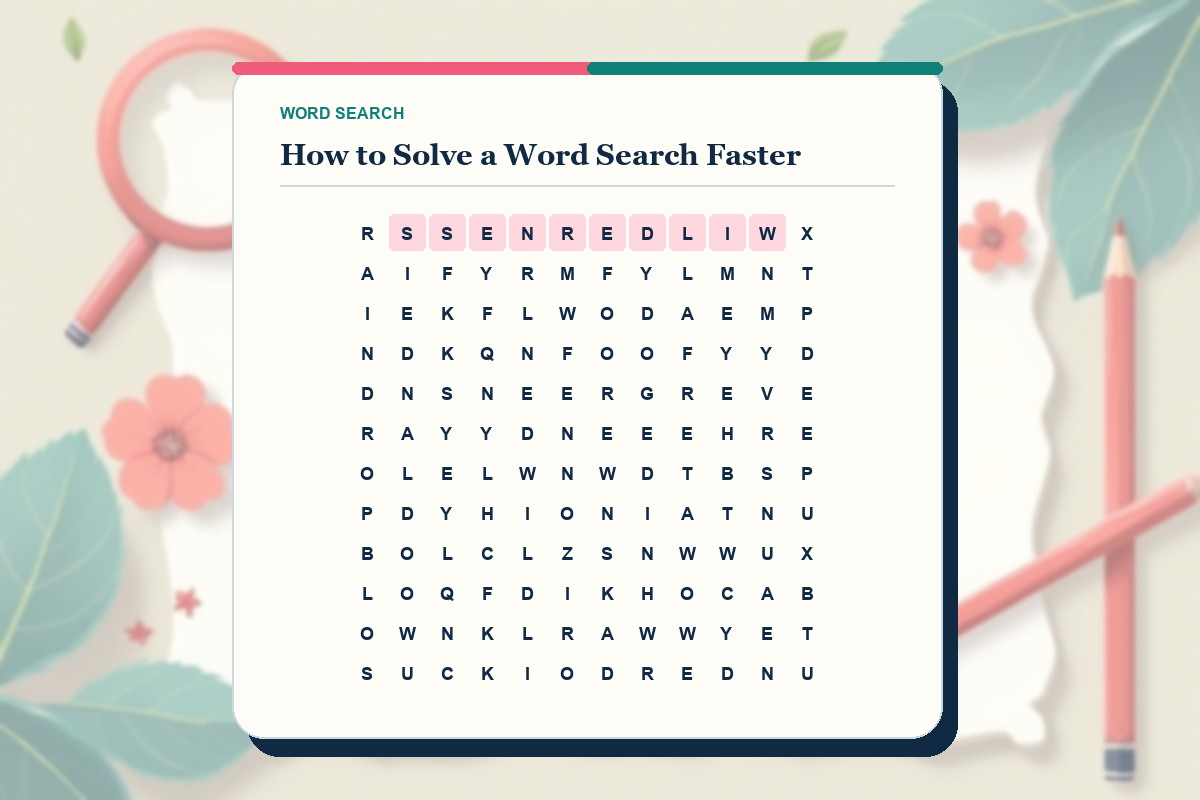
How to Solve a Word Search Faster
A repeatable scanning system for finding words quickly without losing accuracy.
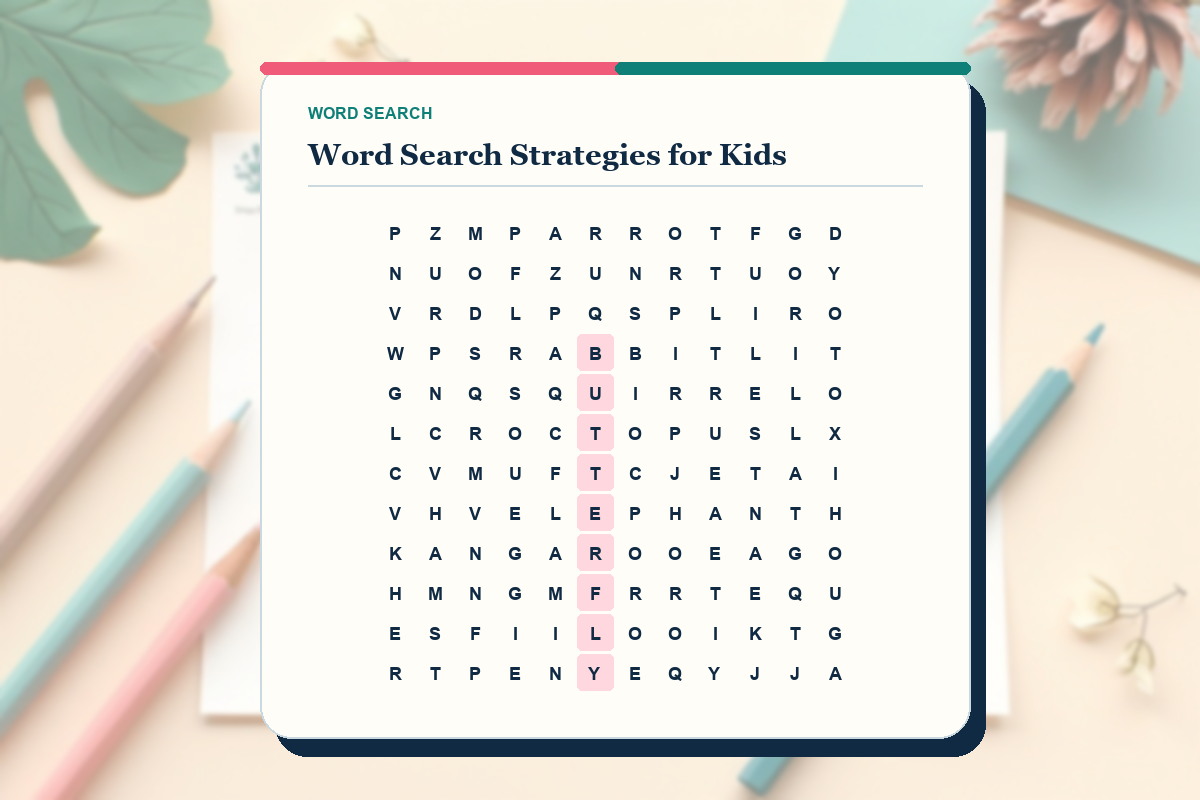
Word Search Strategies for Kids
Simple, teachable word-search habits that help children stay oriented and finish independently.
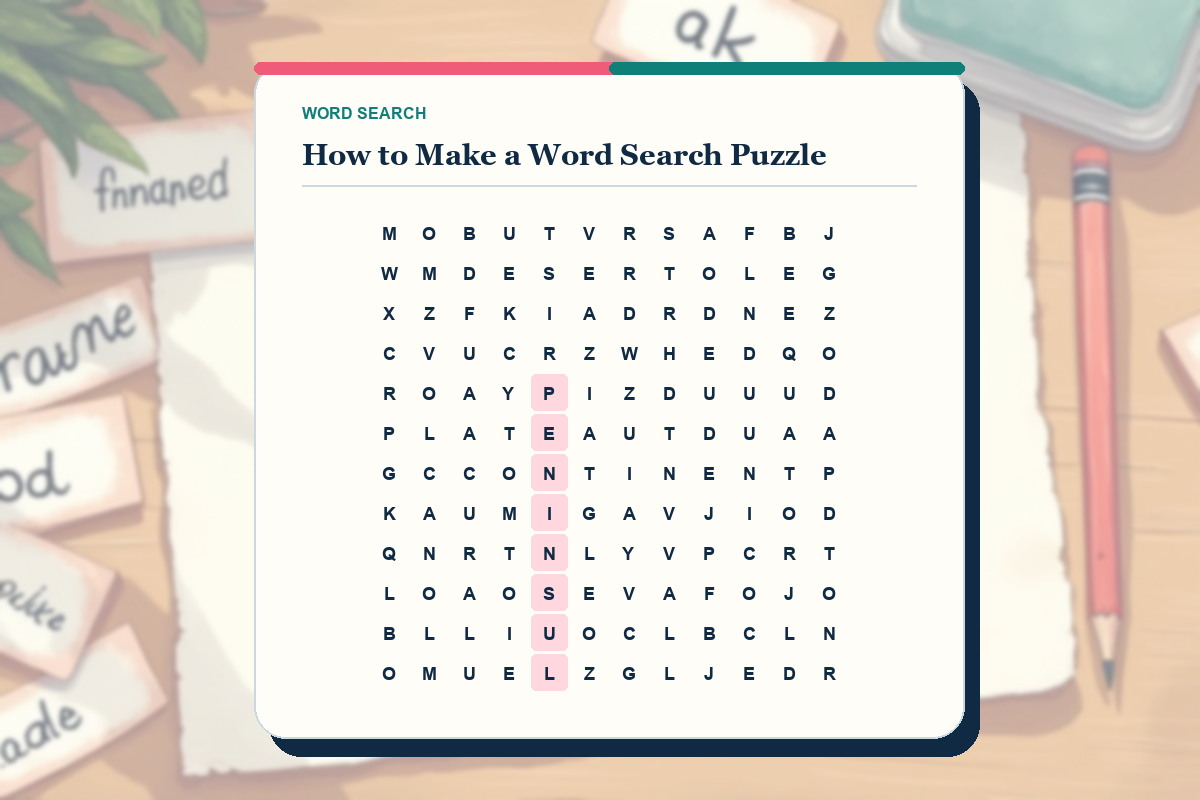
How to Make a Word Search Puzzle
Plan a fair word list, build a readable grid and check every answer path before sharing it.
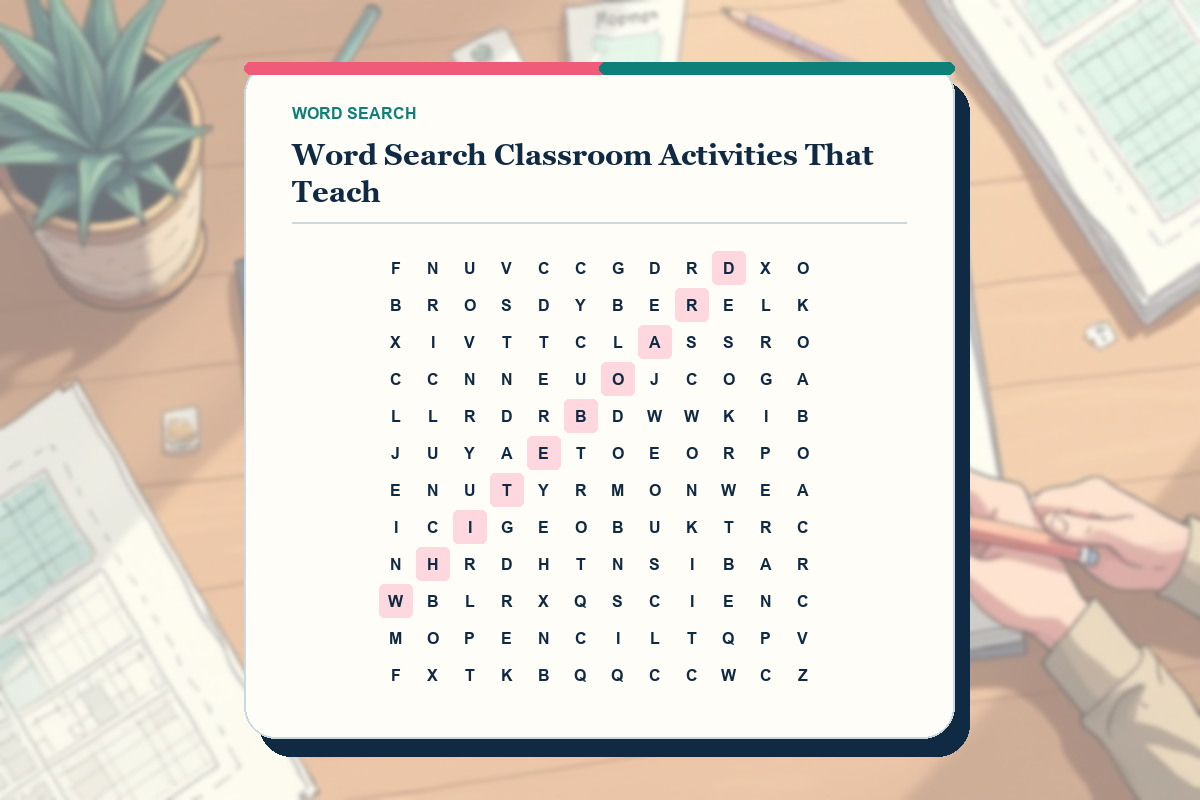
Word Search Classroom Activities That Teach
Use word searches for vocabulary retrieval, spelling discussion and calm transitions instead of filler time.
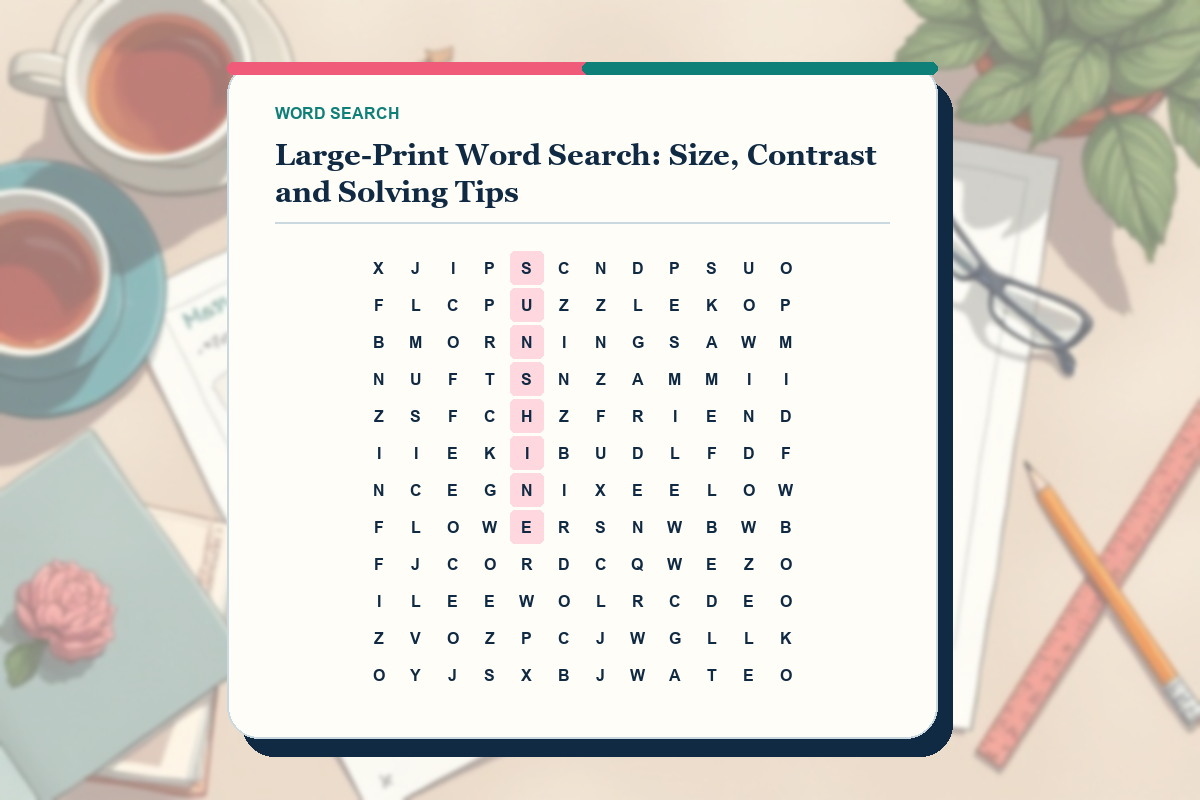
Large-Print Word Search: Size, Contrast and Solving Tips
Choose and use large-print grids that remain comfortable for seniors and low-vision solvers.
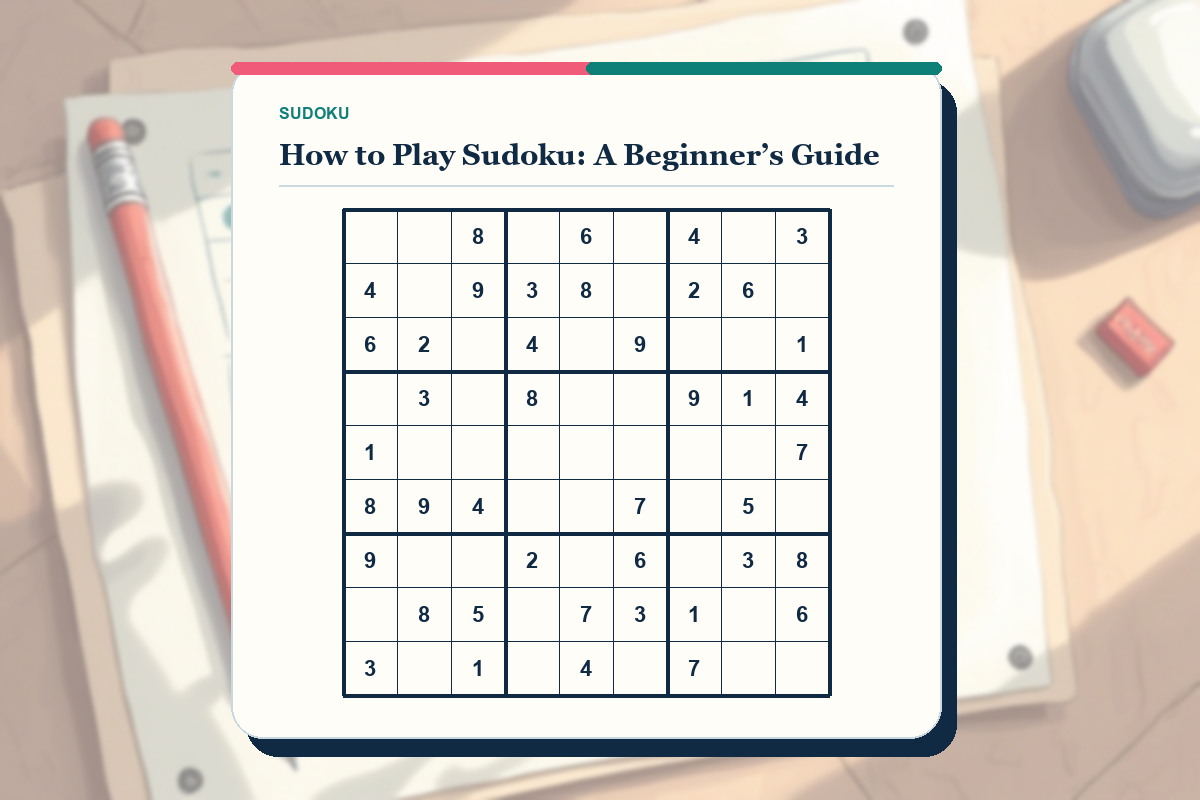
How to Play Sudoku: A Beginner’s Guide
Learn the one rule, find singles and complete an easy 9×9 Sudoku without guessing.
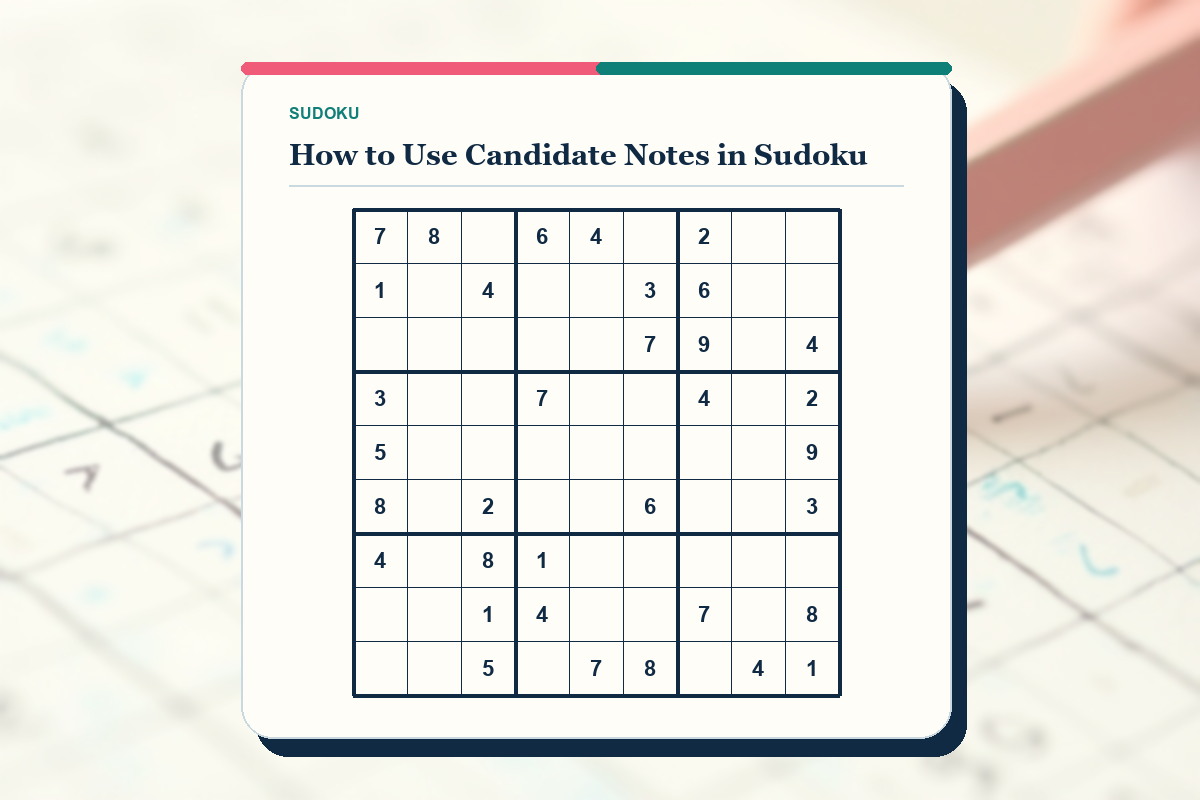
How to Use Candidate Notes in Sudoku
Write useful pencil marks, remove them correctly and avoid turning every cell into clutter.
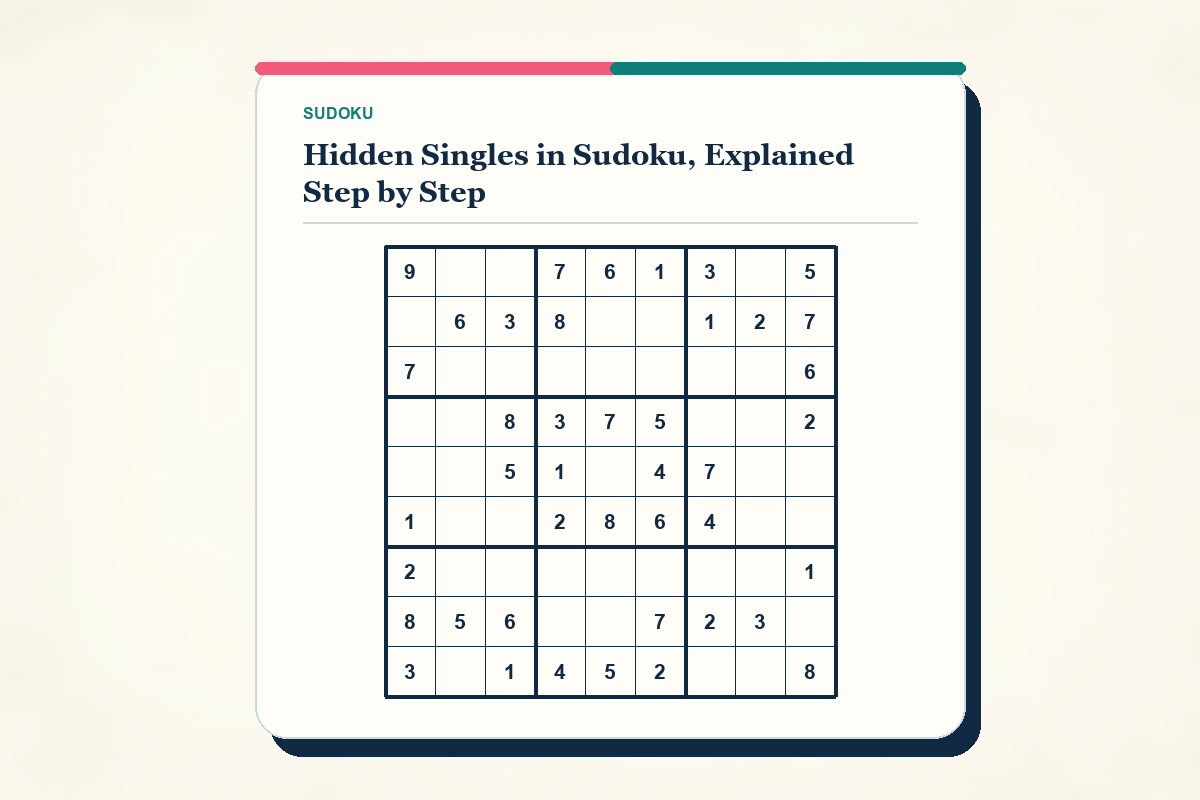
Hidden Singles in Sudoku, Explained Step by Step
Spot the digit that has only one legal home inside a row, column or box.
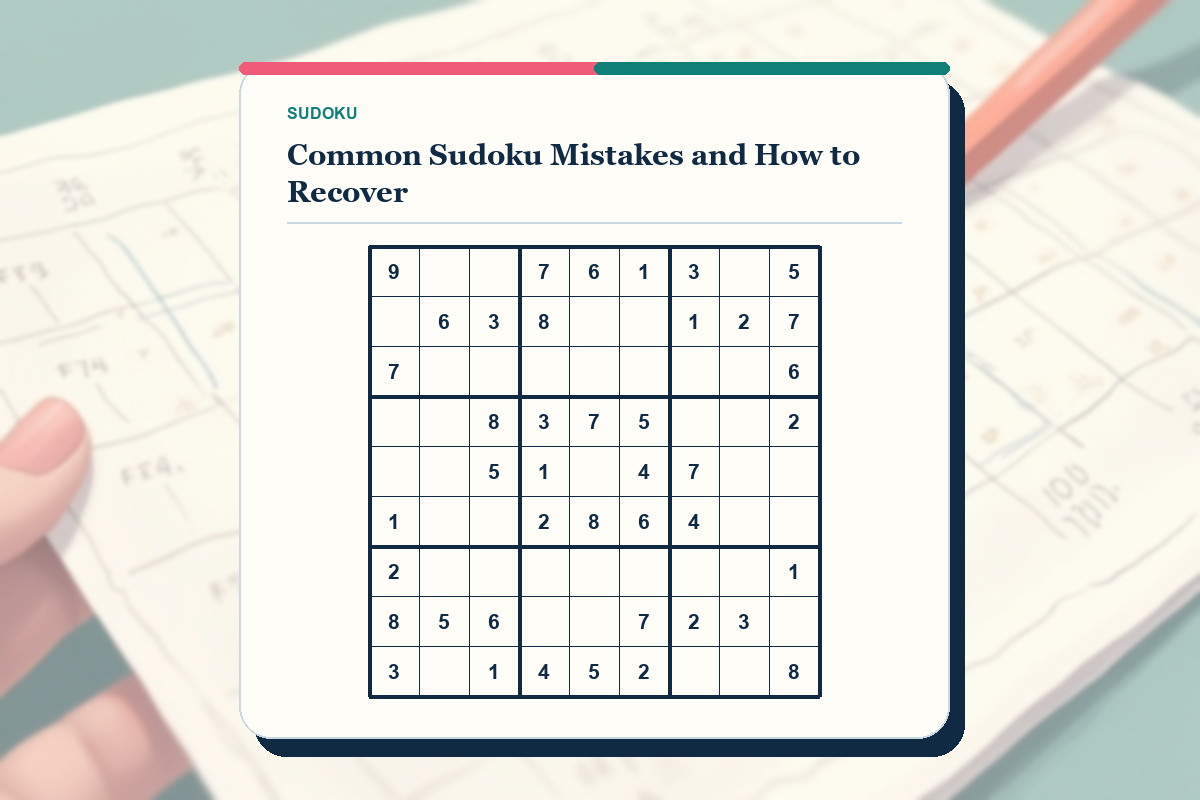
Common Sudoku Mistakes and How to Recover
Diagnose a contradiction, undo the right move and continue without restarting the whole puzzle.
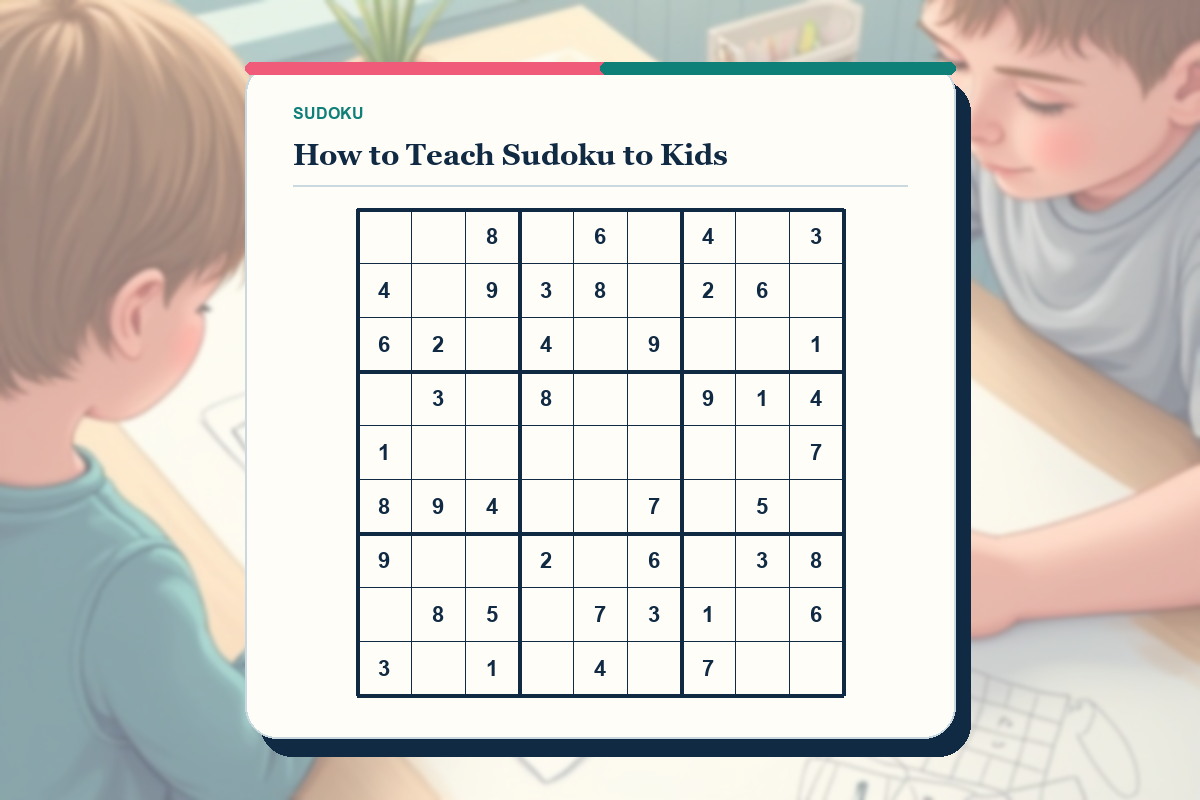
How to Teach Sudoku to Kids
Introduce grid logic with smaller examples, spoken reasoning and age-appropriate success steps.
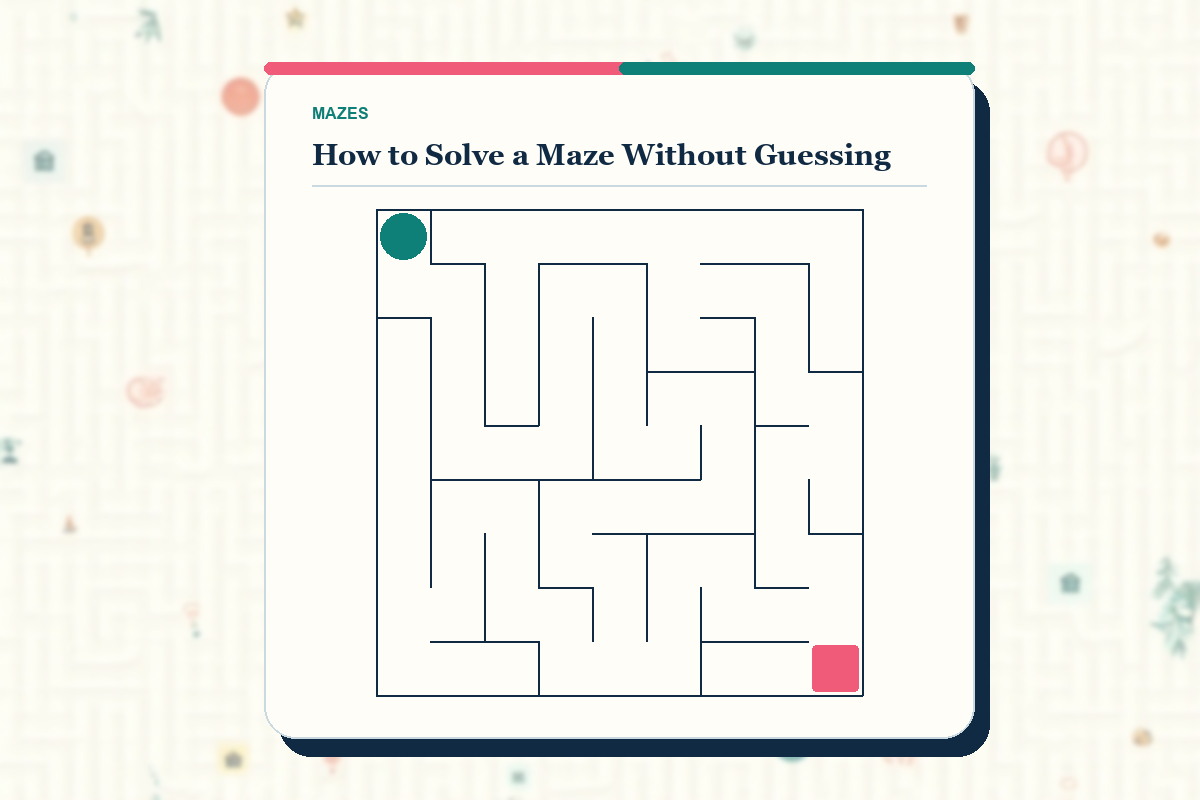
How to Solve a Maze Without Guessing
Use junction decisions, boundary strategies and backtracking marks to find a valid route.
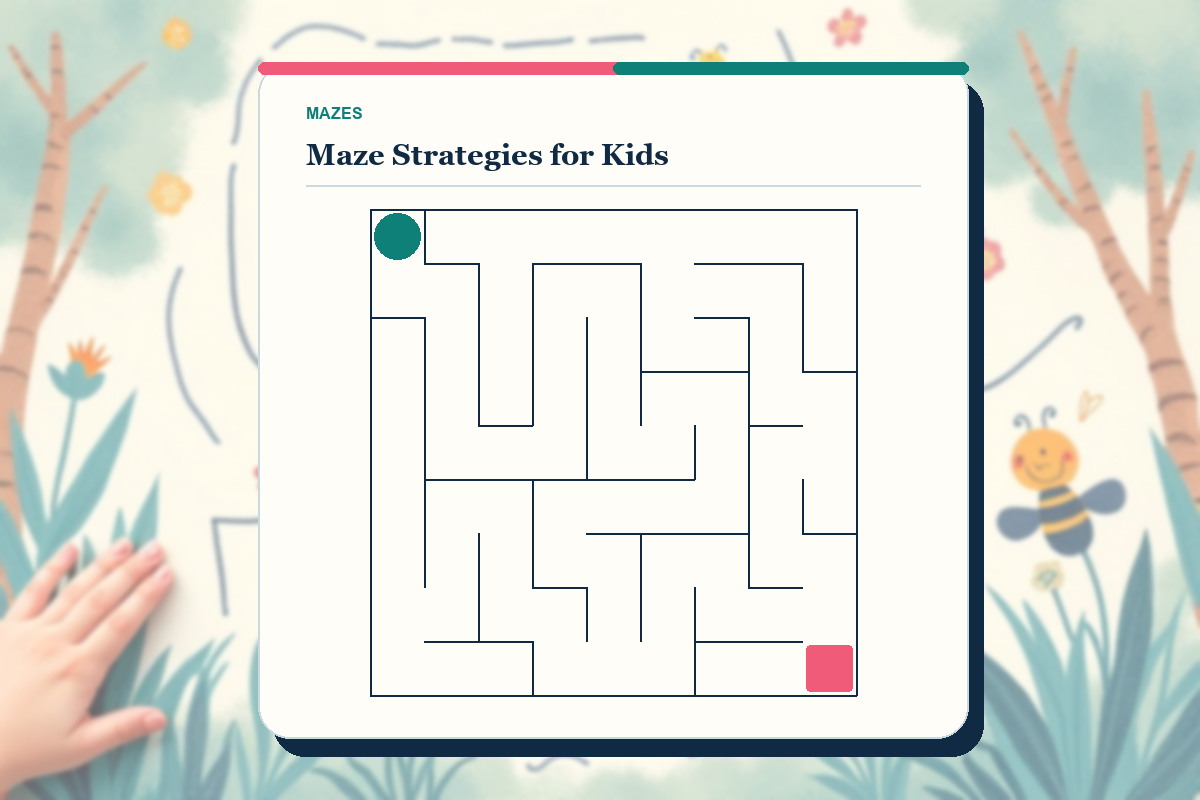
Maze Strategies for Kids
Teach children to look ahead, mark dead ends and recover calmly when a route fails.
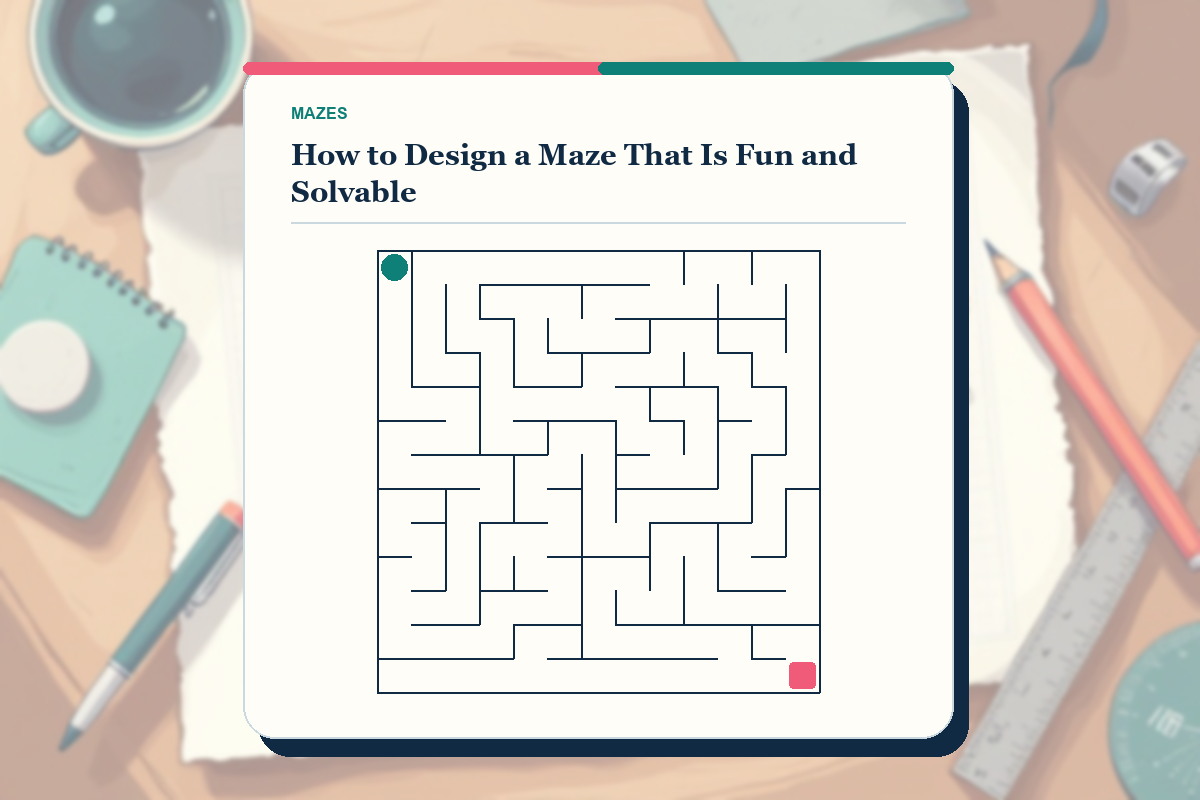
How to Design a Maze That Is Fun and Solvable
Build a route, add fair branches and validate the finished maze before anyone plays it.
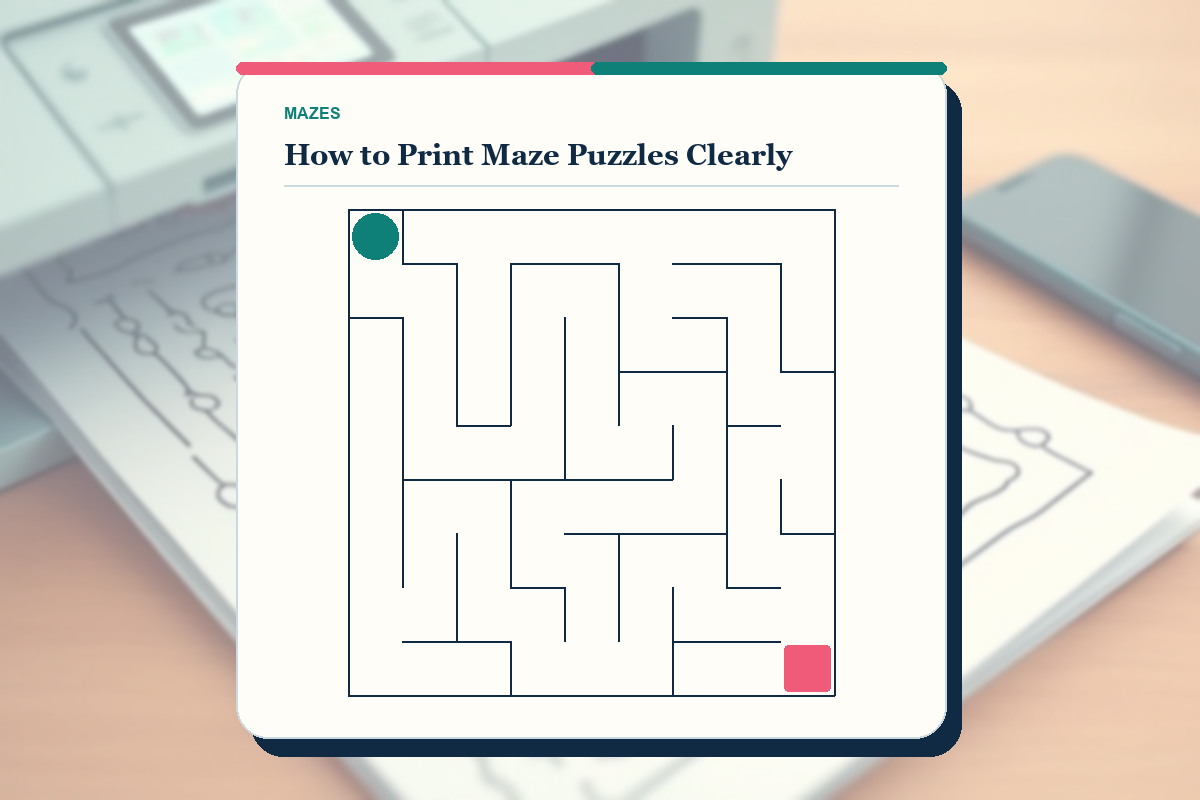
How to Print Maze Puzzles Clearly
Keep walls crisp, fit the page correctly and print solution sheets separately.
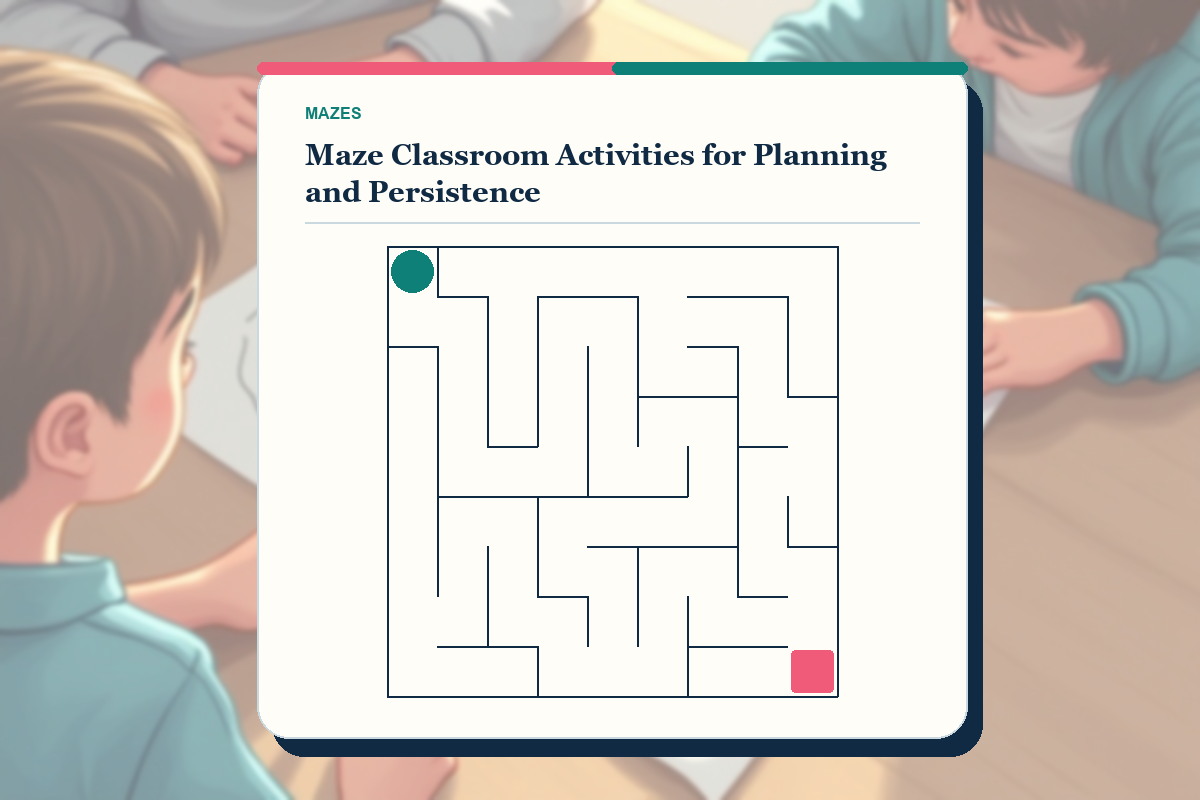
Maze Classroom Activities for Planning and Persistence
Turn printable mazes into short lessons about prediction, explanation and revision.
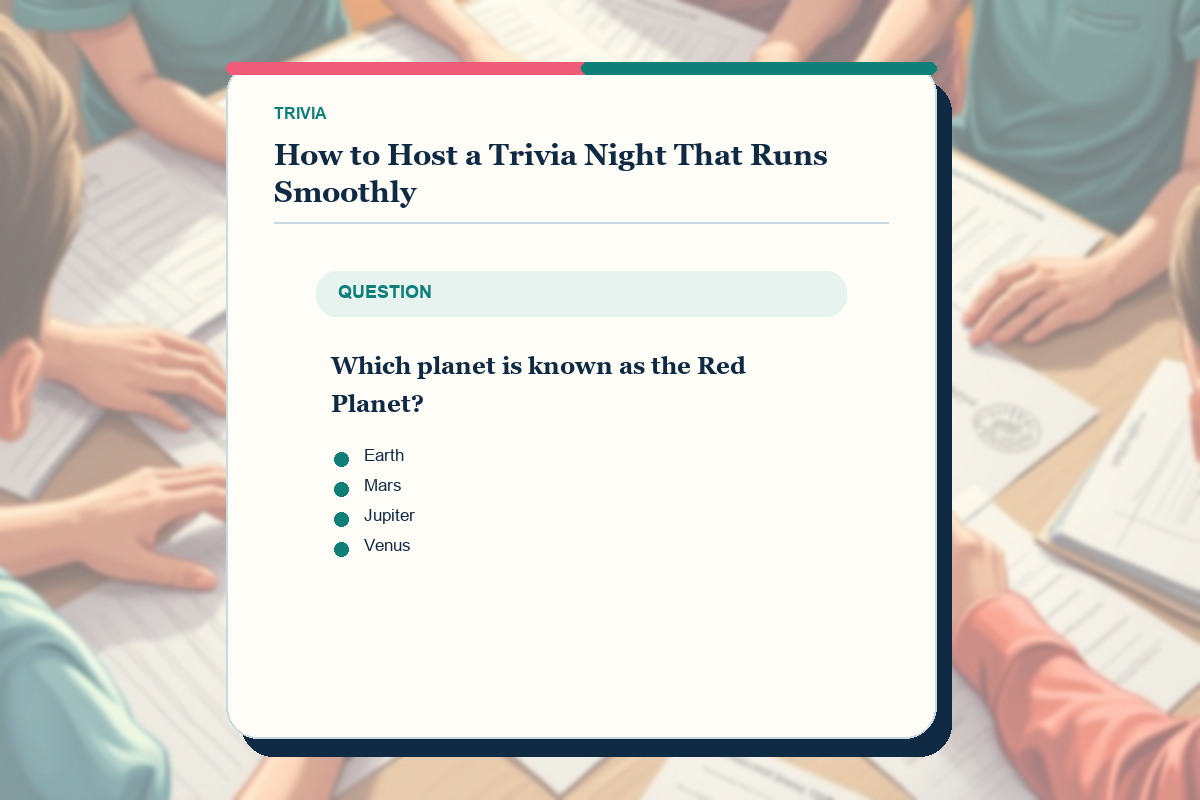
How to Host a Trivia Night That Runs Smoothly
Plan rounds, scoring, timing and answer explanations for a fair, lively game.
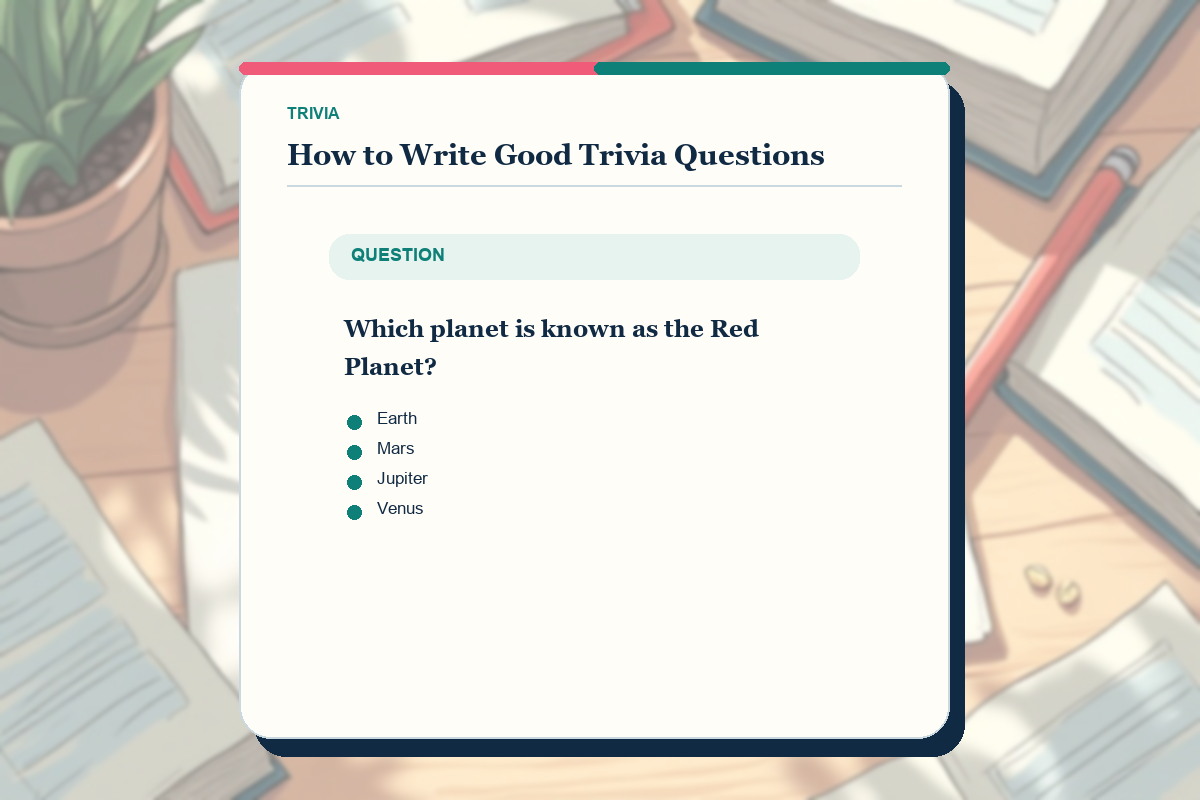
How to Write Good Trivia Questions
Create precise, checkable questions with one defensible answer and a useful explanation.
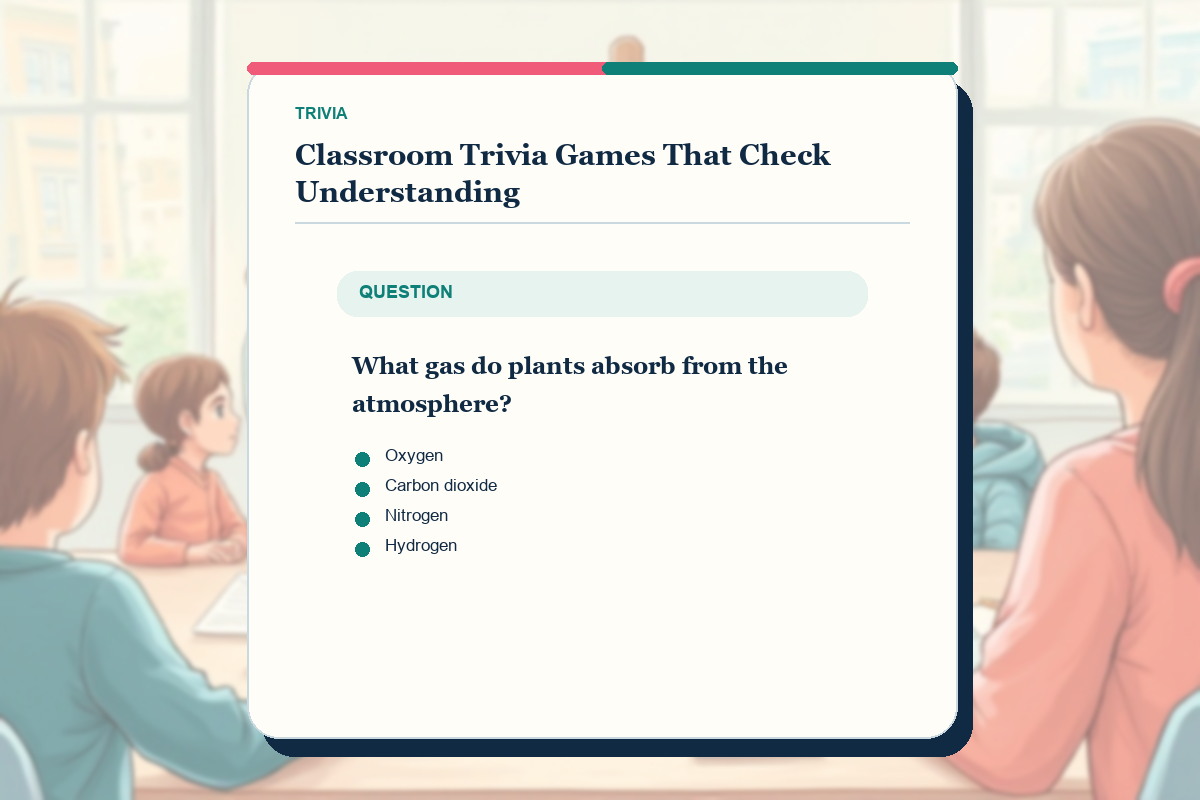
Classroom Trivia Games That Check Understanding
Use trivia for retrieval practice, discussion and quick formative assessment.
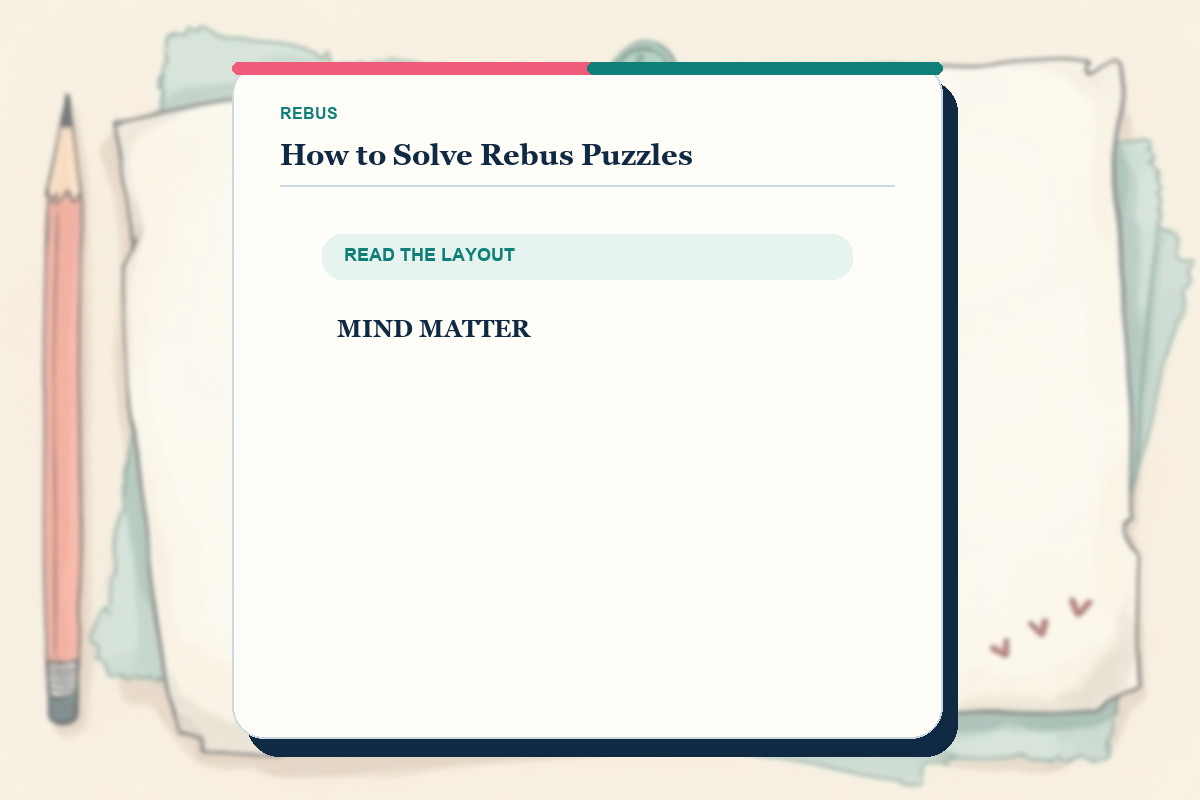
How to Solve Rebus Puzzles
Read position, repetition, size and sound clues to decode visual wordplay step by step.
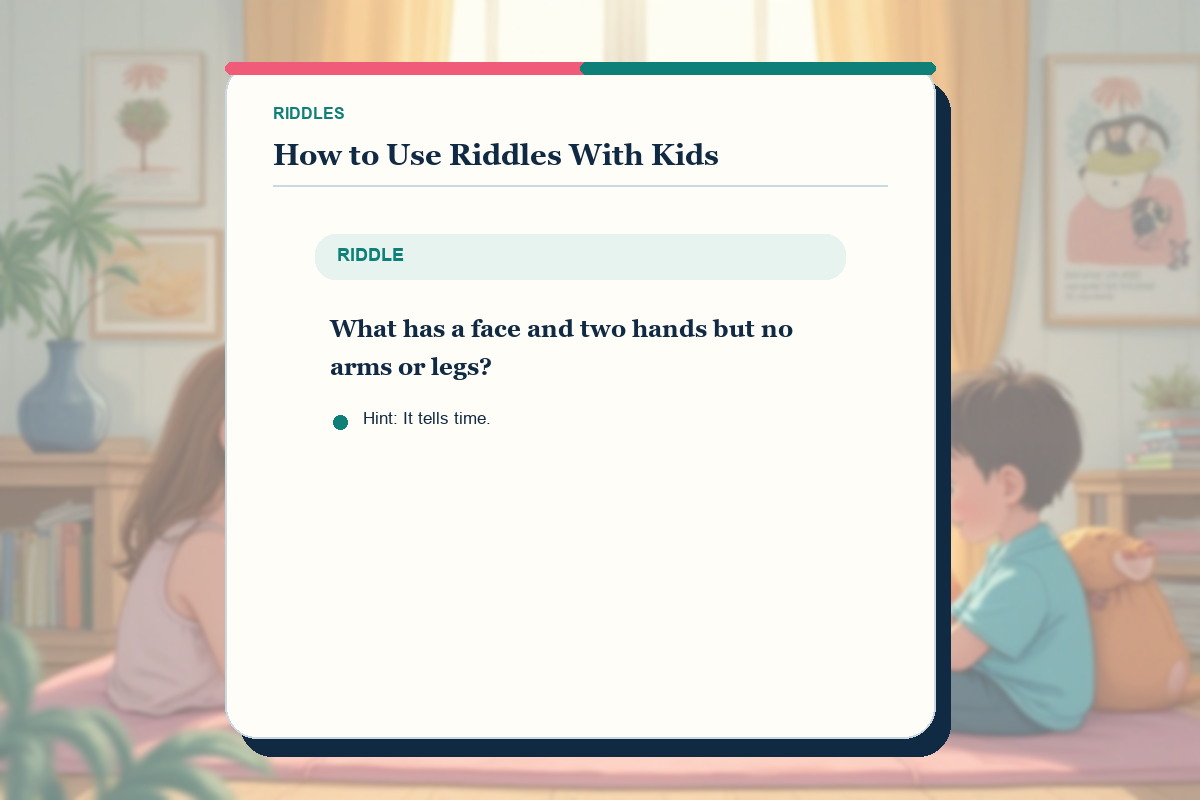
How to Use Riddles With Kids
Choose fair riddles, give helpful hints and turn answers into language discussion.
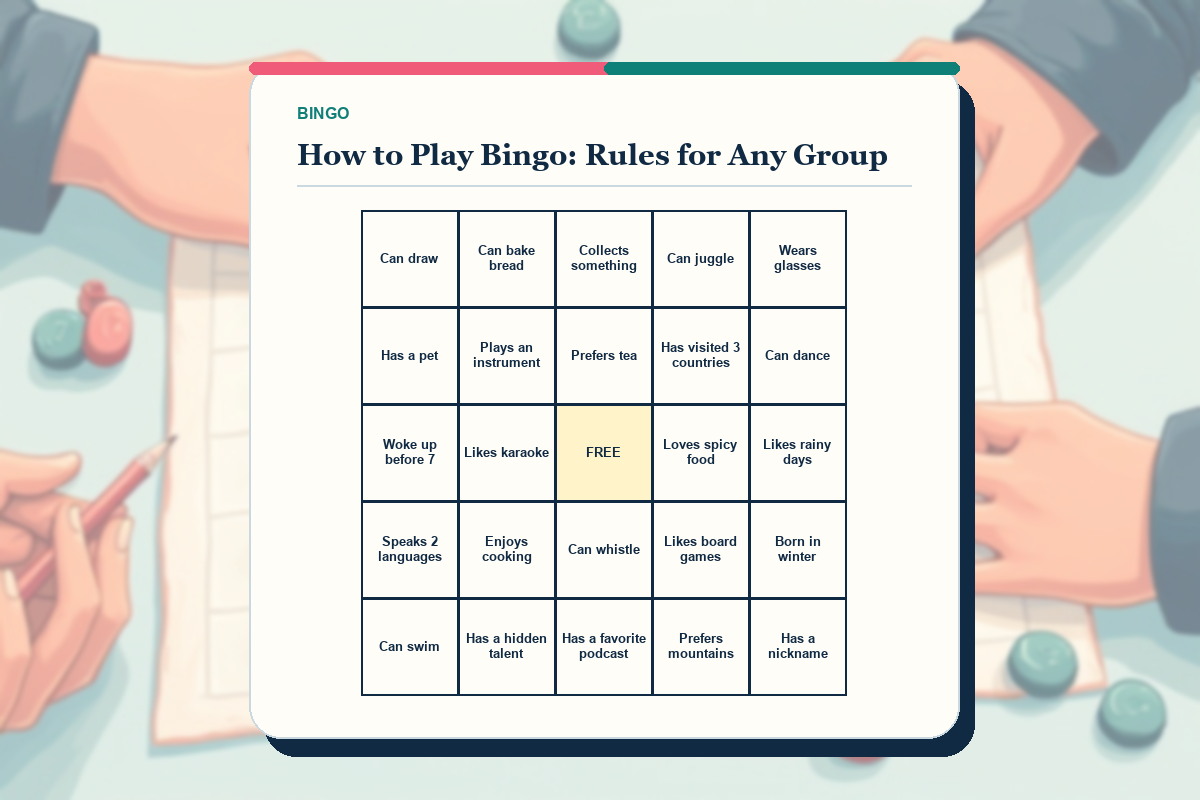
How to Play Bingo: Rules for Any Group
Set up cards, call items fairly and handle winning patterns without confusion.
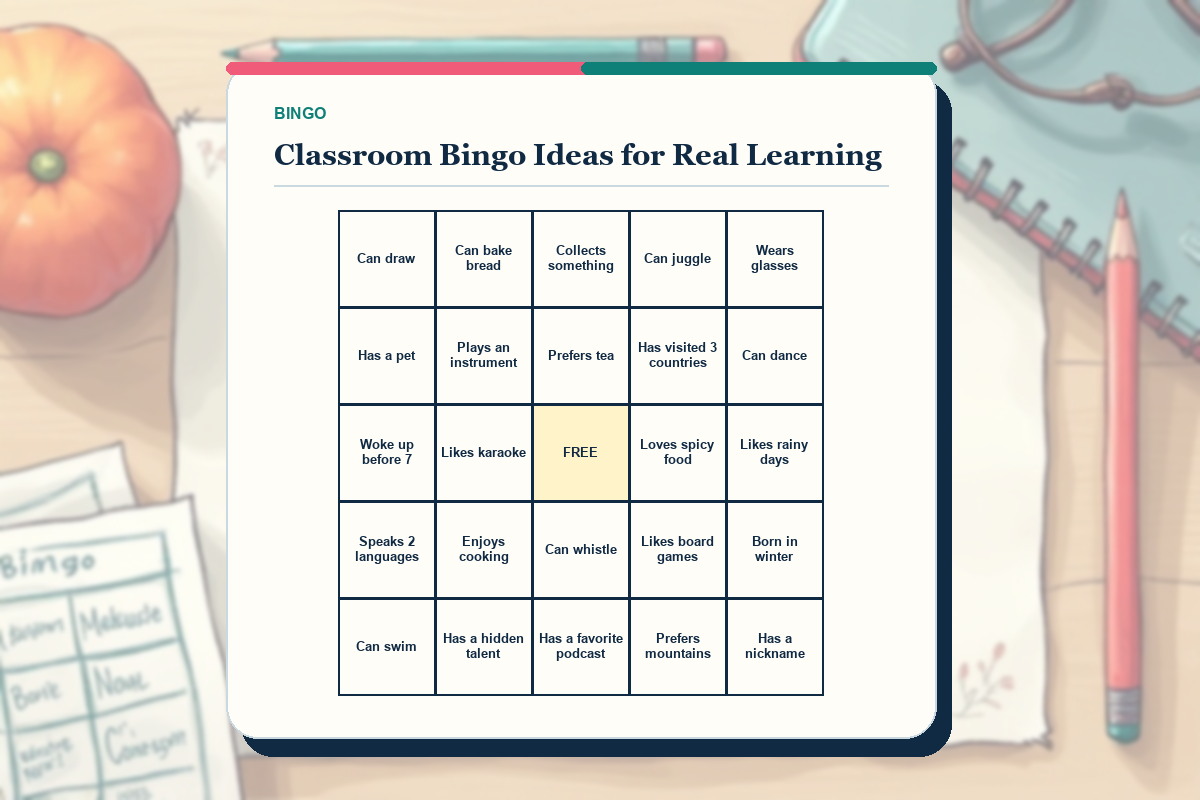
Classroom Bingo Ideas for Real Learning
Adapt bingo for vocabulary, listening, review and discussion while keeping cards fair.
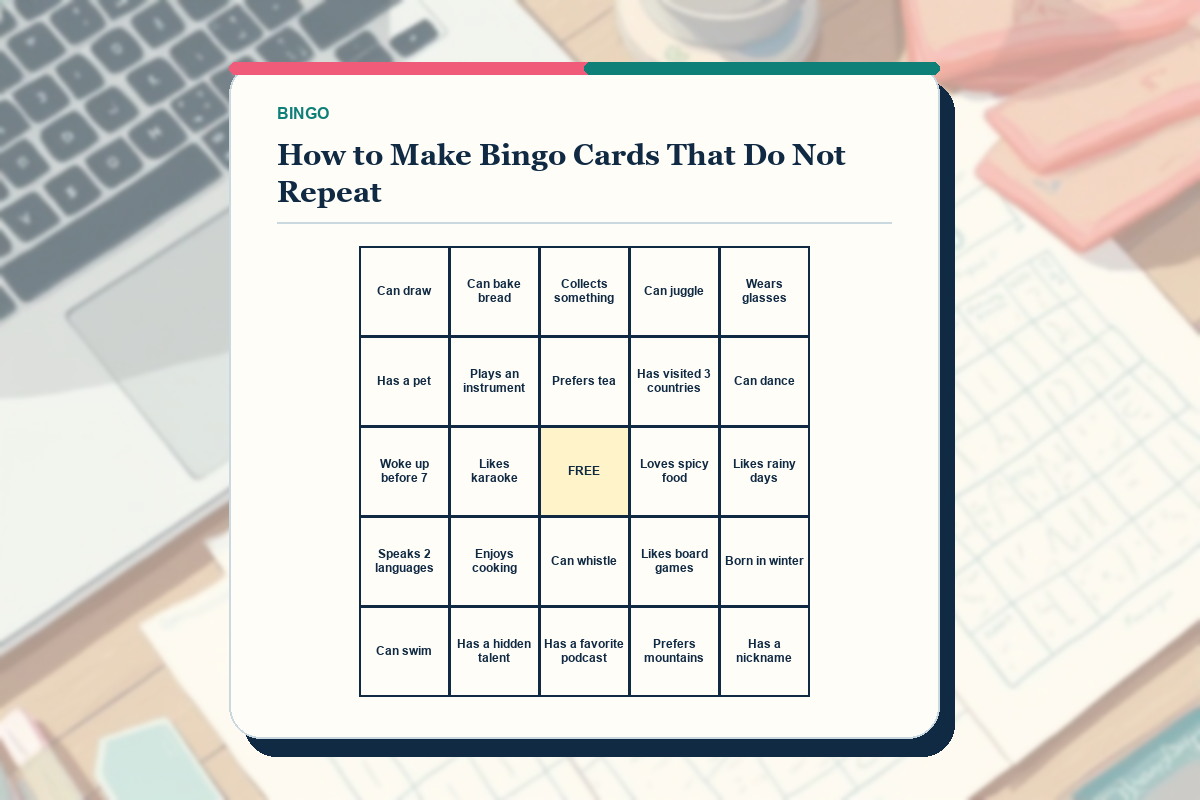
How to Make Bingo Cards That Do Not Repeat
Create varied cards, a complete caller sheet and printable batches that stay fair.
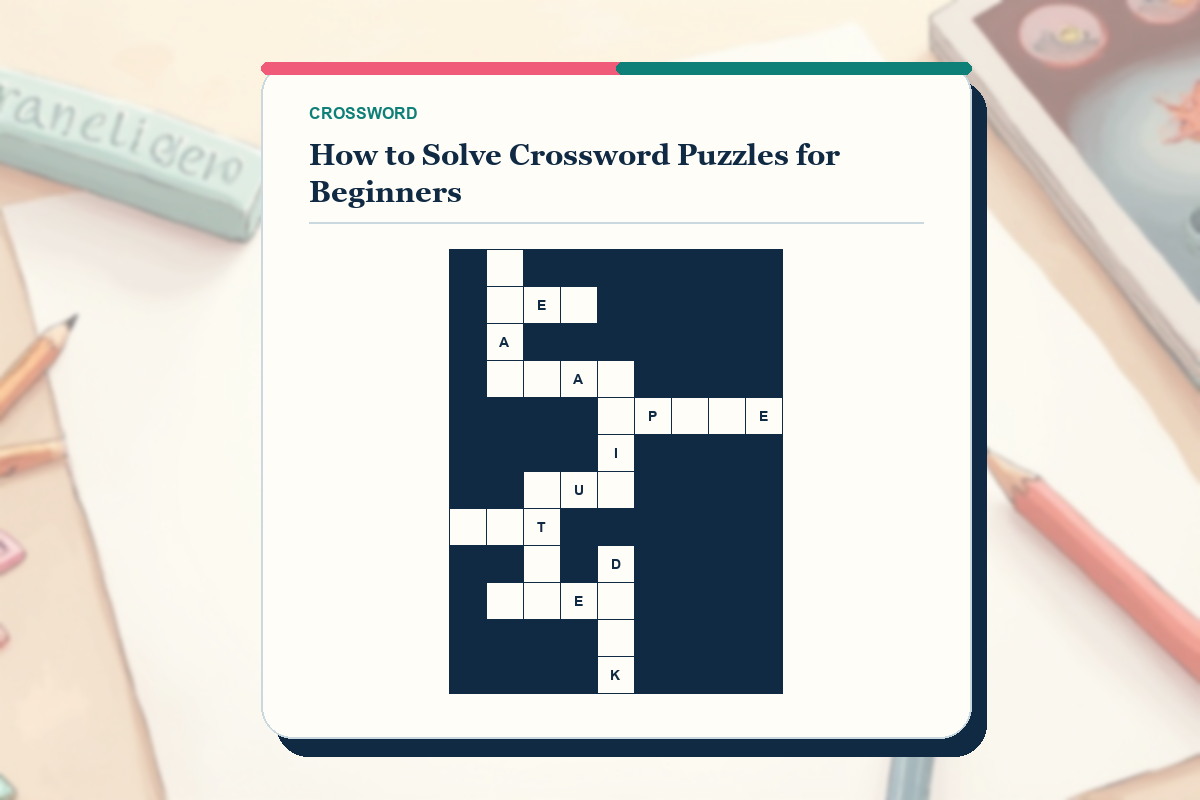
How to Solve Crossword Puzzles for Beginners
Start with certain clues, use crossings and learn when to leave an answer unfinished.
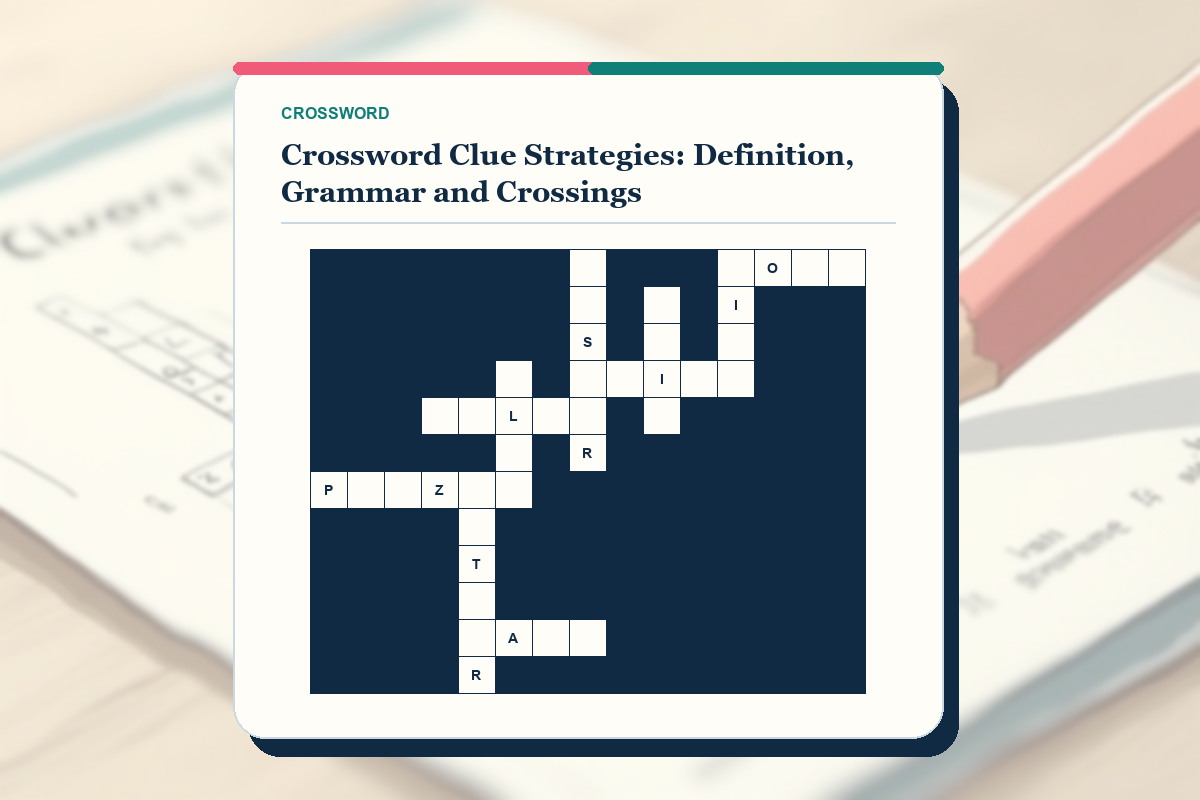
Crossword Clue Strategies: Definition, Grammar and Crossings
Read clue wording closely and combine language signals with confirmed grid letters.
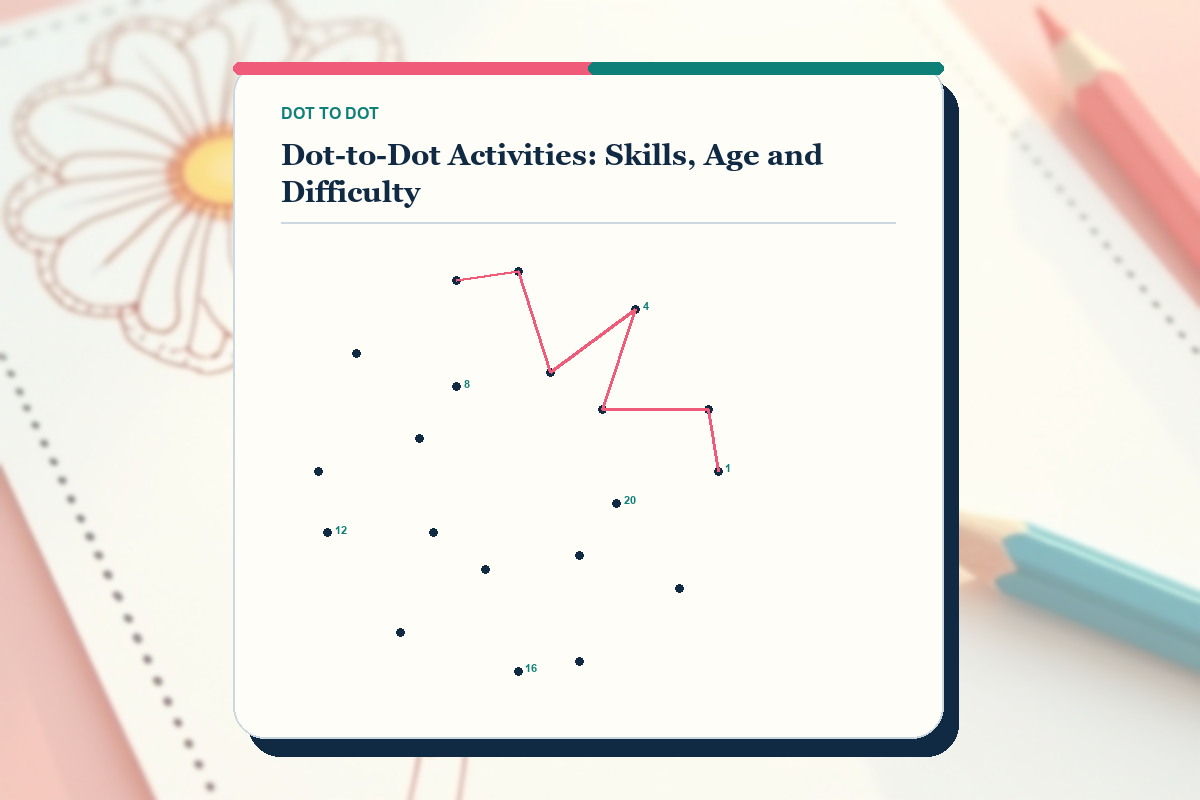
Dot-to-Dot Activities: Skills, Age and Difficulty
Choose a number range and line density that support counting, control and independent success.
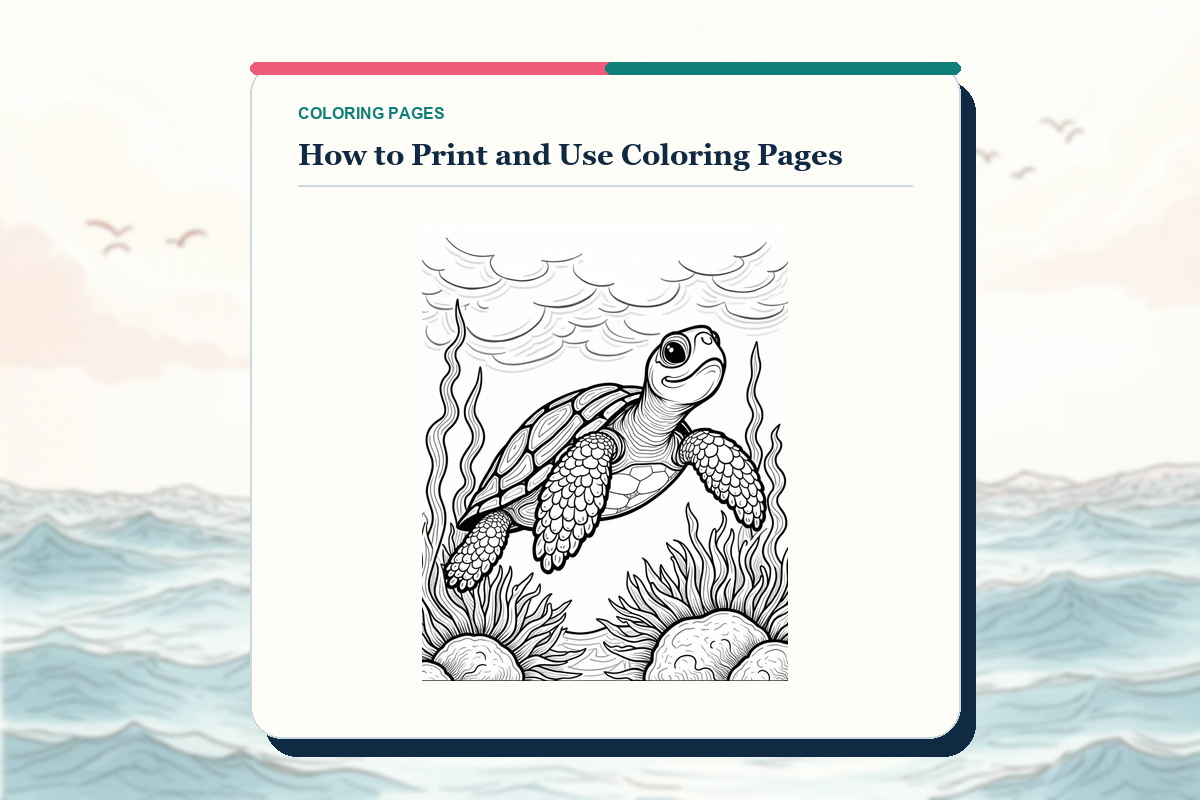
How to Print and Use Coloring Pages
Choose paper, scale and coloring tools that keep line art crisp and enjoyable.
How to Play Would You Rather
Use clear choices and follow-up questions to create a conversation everyone can join.
How to Print Puzzle PDFs at the Correct Size
Avoid clipped grids and choose reliable settings for US Letter or A4 paper.
How to Choose a Puzzle by Age and Difficulty
Match format, reading load, grid density and play time to the person—not just an age label.